Bay Window vs Fixed Window
Comparison Overview
When comparing Bay Window and Fixed Window, several key differences become apparent. In terms of cost, Bay Window are approximately 500% more expensive than Fixed Window, with average prices of £1,500 and £250 respectively. This price difference reflects variations in design complexity, materials, and installation requirements. For energy efficiency, Fixed Window offer better thermal performance with an efficiency rating of 0.0%, compared to Bay Window's 0.0%. This translates to potential differences in household energy savings. Fixed Window provide superior security features, which is an important consideration for homeowners concerned about safety. Bay Window typically have a lifespan of 20-30 years, while Fixed Window last approximately 30-40 years. Bay Window are particularly suitable for Living rooms and Dining rooms, while Fixed Window excel in Areas where ventilation is not needed and Feature walls. Maintenance requirements vary between the two styles, with implications for long-term ownership costs and convenience. Your choice between these window types should ultimately depend on your specific needs, including budget constraints, energy efficiency goals, security requirements, aesthetics, and the architectural style of your property.
Bay Window
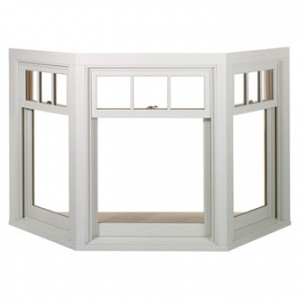
A window space that projects outward from the main walls of a building, creating a bay in a room and increasing the flow of natural light.
Fixed Window
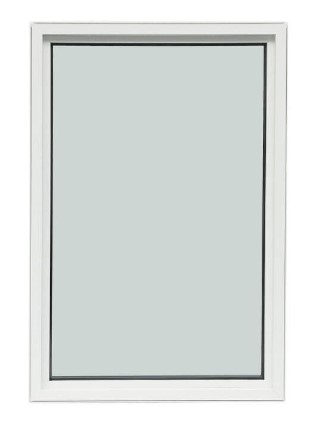
A non-opening window designed to allow light in while providing maximum energy efficiency and uninterrupted views.
Average Price
£1,500
Bay Window
£250
Fixed Window
Energy Efficiency
0.0%
Bay Window
0.0%
Fixed Window
Security Rating
Medium
Bay Window
Very High
Fixed Window
Customer Rating
4.4/5
Bay Window
4.2/5
Fixed Window
Detailed Comparison
Features Comparison
Best Suited For
Bay Window Best For:
- Living rooms
- Dining rooms
- Feature walls
- Properties needing more light
Fixed Window Best For:
- Areas where ventilation is not needed
- Feature walls
- High up placements
- Alongside operational windows
Pros and Cons
Bay Window
Advantages:
- Increases interior space
- Brings in more natural light
- Creates panoramic views
- Adds character to properties
- Can increase home value
Disadvantages:
- Complex installation
- Higher cost than flat windows
- May require structural modifications
- More surfaces exposed to elements
Fixed Window
Advantages:
- Most energy efficient option
- No mechanical parts to maintain
- Maximum security
- Uninterrupted views
- Can be manufactured in custom shapes
Disadvantages:
- No ventilation
- No emergency egress
- Cleaning outside surface can be difficult
Cost Comparison
The table below shows typical costs for Bay Window and Fixed Windowin different sizes. Prices include window and installation.
| Window Size | Bay Window | Fixed Window | Difference |
|---|---|---|---|
| Small (600 × 900mm) | £1,050 | £175 | Save £875 with Fixed Window |
| Medium (1000 × 1200mm) | £1,500 | £250 | Save £1,250 with Fixed Window |
| Large (1200 × 1500mm) | £1,950 | £325 | Save £1,625 with Fixed Window |
| Bay/Bow (Custom Size) | £3,750 | £625 | Save £3,125 with Fixed Window |
Additional Cost Considerations
Installation Complexity:
Bay Window windows typically require more work to install compared to Fixed Window windows, affecting labor costs.
Long-term Value:
Consider energy efficiency ratings and durability - Fixed Window windows offer better long-term energy savings.
Factors Affecting Price
Window Material Options
- uPVC: Most affordable option (1x base price)
- Aluminum: More expensive (1.5-2x base price)
- Timber: Premium option (2-3x base price)
Other Price Factors
- Glazing options (double vs triple)
- Security features and hardware quality
- Property access and installation difficulty
- Regional price variations (higher in London/SE)
Energy Efficiency & Performance
Bay Window Windows
Fixed Window Windows
Energy Efficiency Comparison Summary
Both window types offer similar energy efficiency ratings, but may have different strengths in terms of noise reduction, ventilation, and other factors.
About U-Values
U-value measures how well a window prevents heat from escaping. Lower numbers are better - a window with a U-value of 1.2 W/m²K loses less heat than one with 1.6 W/m²K.
Building regulations require new windows to have a U-value of 1.6 W/m²K or lower. Windows with values below 1.0 W/m²K offer excellent thermal performance but typically cost more.
Energy Savings Potential
| Property Type | Bay Window Annual Savings* | Fixed Window Annual Savings* |
|---|---|---|
| Small (1-2 bedroom flat) | £76 | £84 |
| Medium (3 bedroom house) | £121 | £134 |
| Large (4+ bedroom house) | £177 | £196 |
*Estimated annual savings when replacing single-glazed windows. Actual savings will vary based on your property's insulation, heating system, and local climate.
Maintenance & Lifespan
Bay Window Windows
Maintenance Requirements:
Medium - multiple panels and joins require regular inspection
Fixed Window Windows
Maintenance Requirements:
Very Low - just requires glass cleaning
Maintenance Comparison
| Maintenance Task | Bay Window | Fixed Window |
|---|---|---|
| Cleaning | 2-4 times per year | 2-4 times per year |
| Hardware Lubrication | Annually | Annually |
| Seal Inspection | Every 1-2 years | Every 1-2 years |
| Weather Stripping | Replace every 5-8 years | Replace every 5-8 years |
| Professional Service | Every 2-3 years | Every 2-3 years |
Maintenance Tips
Extending Window Lifespan
- Clean tracks and hinges regularly
- Use silicone spray on moving parts annually
- Check and replace weather stripping as needed
- Inspect and repair caulking to prevent leaks
Signs Windows Need Replacement
- Difficult to open or close
- Visible condensation between glass panes
- Drafts even when closed
- Rotting frames or water damage
Security & Safety Features
Bay Window Security Features
Common Security Features:
- Multi-point locking systems
- Reinforced frames for added strength
- Laminated or toughened safety glass options
- Internal beading to prevent glass removal
Fixed Window Security Features
Common Security Features:
- Multi-point locking systems
- Reinforced frames for added strength
- Laminated or toughened safety glass options
- Internal beading to prevent glass removal
Security Certifications to Look For
Secured by Design (SBD)
Police-backed initiative that certifies products meeting strict security standards.
BSI PAS 24
British Standards Institute certification for enhanced security performance requirements.
Safety Glass Options
Toughened Glass
Heat-treated to make it 4-5 times stronger than regular glass. If broken, it shatters into small, less dangerous pieces rather than sharp shards.
Laminated Glass
Contains a plastic interlayer that holds the glass together if broken. Offers higher security and better sound insulation than standard glass.
Ready to install new windows?
Compare quotes from approved window installers in your area